Kingdom Protista Characteristics
The Kingdom Protista characteristics are unique and diverse, making this group one of the most fascinating in the biological world. Protists are simple, mostly unicellular organisms that bridge the gap between plants, animals, and fungi. Despite their microscopic size, they play a crucial role in ecosystems, medical research, and evolutionary biology.
1. Kingdom Protista
The Kingdom Protista is one of the most diverse and fascinating groups in the biological classification system. It includes organisms that do not perfectly fit into any of the other major kingdoms such as Plantae (plants), Animalia (animals), or Fungi. Protists act as a transitional group in the evolutionary pathway, showcasing traits that resemble those of plants, animals, and fungi while also maintaining their own unique features.
Protists are eukaryotic organisms, meaning their cells have a true nucleus enclosed within a membrane, along with various membrane-bound organelles such as mitochondria and vacuoles. This distinguishes them from prokaryotes like bacteria, which lack these complex cell structures. Most protists are unicellular, existing as single, independent cells, though some—like certain algae—are multicellular or colonial, forming loose groupings of similar cells that work together.
These organisms can be found in a wide range of environments, but they are especially abundant in moist and aquatic habitats such as ponds, lakes, oceans, and damp soil. They play vital roles in these ecosystems—acting as primary producers, decomposers, and even as parasites or symbionts within other organisms. For example, photosynthetic protists like algae produce oxygen and serve as the base of aquatic food chains, while parasitic protists like Plasmodium cause diseases such as malaria in humans.

Another remarkable aspect of protists is their diversity in structure and function. Some move using hair-like structures called cilia, others use whip-like flagella, and some extend parts of their body known as pseudopodia to move or capture food. Their modes of nutrition also vary widely—some are autotrophic, using photosynthesis to make their own food, while others are heterotrophic, consuming organic material or smaller organisms.
Kingdom Protista is a diverse group of mostly unicellular eukaryotes that exhibit characteristics of plants, animals, and fungi. They serve as an important evolutionary link and contribute significantly to ecological balance and scientific research. Understanding their features provides insight into the early evolution of complex life forms on Earth.
2. General Characteristics of Kingdom Protista
Kingdom Protista characteristics are incredibly diverse, reflecting the variety of life forms that belong to this group. Protists display a fascinating mix of plant-like, animal-like, and fungus-like traits, which is why scientists often refer to them as the “odds and ends” of the biological world. Although they vary greatly in structure and lifestyle, protists share certain fundamental characteristics that distinguish them from other kingdoms.
Below are the major general characteristics of Kingdom Protista explained in detail:
2.1. Cellular Organization
All protists are eukaryotic organisms, meaning their cells have a well-defined nucleus enclosed by a nuclear membrane. Their cells also contain membrane-bound organelles such as mitochondria, chloroplasts (in photosynthetic types), endoplasmic reticulum, and Golgi apparatus.
Most protists are unicellular, living as single cells that carry out all essential life processes independently. However, some protists—especially certain types of algae—are multicellular or colonial, forming clusters of similar cells that may function together. Despite this, they lack true tissues or organs, unlike higher plants and animals.
2.2. Mode of Nutrition
Protists exhibit remarkable diversity in their nutritional methods, adapting to various environments and ecological roles.
- Autotrophic protists, such as Euglena and Chlamydomonas, contain chloroplasts and produce their own food through photosynthesis, much like plants.
- Heterotrophic protists, such as Amoeba and Paramecium, depend on consuming other organisms or decaying organic matter for nutrition.
- Mixotrophic protists can switch between autotrophic and heterotrophic modes depending on environmental conditions, giving them a survival advantage.
This wide range of feeding strategies allows protists to thrive in diverse habitats and contribute significantly to ecological food webs.
2.3. Mode of Reproduction
Protists reproduce through both asexual and sexual means, depending on the species and environmental conditions.
- Asexual reproduction is the most common and usually occurs by binary fission (a single cell divides into two identical cells) or multiple fission (one cell divides into several daughter cells at once).
- Sexual reproduction involves the fusion of gametes (male and female reproductive cells), leading to genetic variation among offspring.
This ability to reproduce in multiple ways enables protists to adapt quickly and maintain population stability in changing environments.
2.4. Locomotion
Many protists are motile, meaning they can move from place to place in search of food, light, or favorable conditions. They use specialized structures for movement:
- Cilia: Short, hair-like structures that beat rhythmically to propel the organism forward (e.g., Paramecium).
- Flagella: Long, whip-like tails that help in swimming (e.g., Euglena).
- Pseudopodia: Temporary extensions of the cytoplasm that aid in movement and food capture (e.g., Amoeba).
Some protists, especially those that are parasitic or plant-like, are non-motile and rely on external forces like water currents for movement.
2.5. Habitat
Protists are predominantly aquatic organisms, inhabiting freshwater, marine, and moist terrestrial environments. They thrive in ponds, lakes, rivers, oceans, and even damp soil. Some species live inside other organisms as symbionts or parasites. For example, Plasmodium, a parasitic protist, lives inside human red blood cells and causes malaria.
Protists are also an essential component of plankton, forming the base of aquatic food chains and supporting marine ecosystems by producing oxygen through photosynthesis.
2.6. Symbiotic and Parasitic Relationships
Many protists form symbiotic relationships with other organisms.- In mutualistic associations, both organisms benefit—for instance, some algae live inside coral reefs and provide them with nutrients through photosynthesis.
- In parasitic relationships, protists harm their hosts by causing diseases. Examples include Entamoeba histolytica (causes amoebic dysentery) and Trypanosoma (causes sleeping sickness).
These relationships demonstrate the ecological importance and impact of protists on both micro and macro levels of life.
2.7. Respiration and Excretion
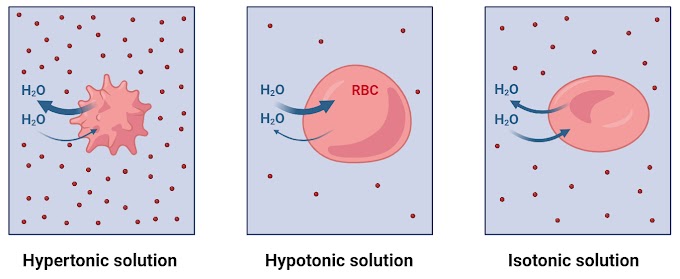
Protists usually perform aerobic respiration, using oxygen to break down food molecules and release energy. Gas exchange often occurs directly through the cell membrane by diffusion. Similarly, excretion of waste products also takes place through diffusion or through specialized structures like contractile vacuoles, which help maintain osmotic balance in freshwater protists.
2.8. Importance of Cell Structure and Adaptability
The cell structure of protists is highly adaptable. They can change shape, regulate water balance, and even form protective cysts under unfavorable conditions. This adaptability allows them to survive in environments ranging from tropical waters to soil and even inside other organisms.
The general characteristics of Kingdom Protista reveal a group of organisms that are simple yet highly adaptable. Their cellular complexity, nutritional diversity, and ecological roles make them vital to both aquatic and terrestrial ecosystems. Protists not only serve as pioneers of eukaryotic evolution but also highlight the intricate connections among all forms of life on Earth.
3. Classification of Protists
The Kingdom Protista is one of the most diverse groups of organisms in the biological classification system. Because protists share characteristics with plants, animals, and fungi, scientists have divided them into several major categories based on their mode of nutrition, cellular structure, and movement.
Although there are many ways to classify protists, the most widely accepted system groups them into three main categories: plant-like protists (algae), animal-like protists (protozoa), and fungus-like protists (slime molds and water molds). Each of these groups displays unique characteristics and plays an important role in the environment.
3.1. Plant-like Protists (Algae)
Plant-like protists, commonly known as algae, are autotrophic organisms that produce their own food through photosynthesis. They contain chloroplasts with chlorophyll and other pigments that help capture sunlight and convert it into chemical energy. These protists are the primary producers in aquatic ecosystems and form the base of many food chains.
Characteristics of Plant-like Protists
- They can be unicellular, colonial, or multicellular.
- They possess cell walls, usually made of cellulose.
- They reproduce both sexually and asexually.
- They contain pigments such as chlorophyll, carotenoids, and xanthophylls, giving them green, red, or brown colors.
Examples of Plant-like Protists
- Chlamydomonas – A unicellular green alga that moves using two flagella.
- Spirogyra – A filamentous green alga known for its spiral chloroplasts.
- Volvox – A colonial alga that forms spherical colonies of many individual cells.
- Diatoms – Unicellular algae with silica cell walls; they form part of marine plankton.
- Brown algae (Phaeophyta) and Red algae (Rhodophyta) – Multicellular algae found mainly in marine environments.
Importance of Plant-like Protists
- They produce a significant portion of the Earth’s oxygen through photosynthesis.
- Serve as a food source for aquatic organisms.
- Some algae are used by humans in food products, fertilizers, and biofuel production.
3.2. Animal-like Protists (Protozoa)
Animal-like protists, known as protozoa, are heterotrophic organisms that feed on other organisms or organic matter. They lack cell walls and often move actively in search of food. Protozoa are the microscopic counterparts of animals and are found in both aquatic and terrestrial habitats, as well as inside the bodies of other organisms as parasites.
Characteristics of Animal-like Protists
- They are unicellular and eukaryotic.
- They move using cilia, flagella, or pseudopodia.
- They reproduce mainly by binary fission, though some undergo sexual reproduction.
- They may be free-living or parasitic.
Classification of Protozoa (Based on Locomotion)
- Sarcodines (Amoeboids): Move using pseudopodia (false feet). Example: Amoeba proteus.
- Flagellates: Move using one or more flagella. Example: Euglena, Trypanosoma.
- Ciliates: Use cilia for movement and feeding. Example: Paramecium.
- Sporozoans: Non-motile and parasitic; reproduce by forming spores. Example: Plasmodium, the cause of malaria.
Importance of Animal-like Protists
- They help in decomposing organic matter, recycling nutrients in the ecosystem.
- Some form mutualistic relationships, such as protozoa in termite guts that digest cellulose.
- However, others are pathogenic, causing diseases like malaria (Plasmodium), sleeping sickness (Trypanosoma), and amoebic dysentery (Entamoeba histolytica).
3.3. Fungus-like Protists (Slime Molds and Water Molds)
Fungus-like protists resemble fungi in appearance and lifestyle but differ in cellular composition and structure. They are heterotrophic organisms that obtain nutrients by decomposing dead organic material. Unlike true fungi, their cell walls are not made of chitin, and they can move during certain stages of their life cycle.
Characteristics of Fungus-like Protists
- They are saprophytic, meaning they feed on decaying organic matter.
- Their cell walls are made of cellulose instead of chitin.
- They reproduce through spores, similar to fungi.
- They exhibit a slimy or mold-like appearance during part of their life cycle.
Types of Fungus-like Protists
- Slime Molds: These live as free-living amoeboid cells but can aggregate to form multicellular structures when food is scarce. Example: Physarum (a plasmodial slime mold).
- Water Molds: These are mostly aquatic and often parasitic on plants and animals. Example: Phytophthora infestans, which causes the potato blight disease.
Importance of Fungus-like Protists
- They play a key role in decomposition, breaking down dead matter and recycling nutrients into the environment.
- Some are plant pathogens, causing serious agricultural damage, while others are useful for studying cell differentiation and life cycles.
3.4. Diversity and Evolutionary Importance of Protists
Protists are considered the ancestors of higher eukaryotic organisms. It is believed that multicellular plants, animals, and fungi all evolved from ancient protist-like ancestors. The study of protist diversity provides valuable insights into the evolution of complex cellular structures and the transition from unicellular to multicellular life forms.
Below table compiled characteristics of different protists:
| Category | Mode of Nutrition | Examples | Key Features |
|---|---|---|---|
| Plant-like Protists | Autotrophic | Chlamydomonas, Spirogyra, Diatoms | Photosynthetic, chloroplasts, aquatic |
| Animal-like Protists | Heterotrophic | Amoeba, Paramecium, Plasmodium | Motile, no cell wall, ingest food |
| Fungus-like Protists | Saprophytic | Physarum, Phytophthora | Decompose dead matter, form spores |
In conclusion, the classification of protists helps us understand the remarkable diversity within the Kingdom Protista. From photosynthetic algae to disease-causing protozoa and decomposing slime molds, protists occupy almost every ecological niche imaginable. Their wide range of structures, functions, and lifestyles illustrates their evolutionary importance and highlights how this kingdom serves as a bridge connecting simpler and more complex forms of life.
4. Importance of Protists
Protists may be small and simple in structure, but they play an enormously significant role in nature and human life. Because of their diversity, protists contribute to ecosystems in various ways — from producing oxygen and forming the base of aquatic food chains to decomposing organic matter and even causing diseases. The importance of protists can be understood under the following categories:
4.1. Ecological Importance
Protists are vital components of many ecosystems, especially aquatic environments.- Primary producers: Photosynthetic protists, such as algae and diatoms, produce large amounts of oxygen through photosynthesis. They serve as the foundation of aquatic food chains, feeding tiny zooplankton and fish.
- Oxygen producers: It is estimated that nearly half of the Earth’s oxygen is produced by marine protists like phytoplankton.
- Decomposers: Fungus-like protists, including slime molds and water molds, help in breaking down dead organic material, recycling nutrients back into the environment.
- Symbiotic relationships: Some protists live in mutually beneficial relationships with other organisms. For example, certain algae live inside corals and provide them with nutrients, helping coral reefs survive.
4.2. Industrial Importance
Many protists are useful in industries due to their chemical composition and biological activity.- Food industry: Red and brown algae are used to produce agar, carrageenan, and alginates, substances used as thickening agents in ice creams, jellies, and soups.
- Cosmetic and pharmaceutical use: Some protists are used in cosmetic products and nutritional supplements because of their high vitamin and mineral content.
- Biofuel production: Certain species of algae are being explored as a source of biofuels, since they can produce oil-like substances that can be converted into renewable energy.
4.3. Medical Importance
Protists have both positive and negative effects in medicine. Some protists are used in medical research to understand cell functions, genetics, and disease mechanisms because of their simple cell structure and rapid growth. However, several protists are pathogenic and cause serious diseases in humans, such as:
- Plasmodium → causes malaria
- Trypanosoma → causes sleeping sickness
- Entamoeba histolytica → causes amoebic dysentery
- Leishmania → causes leishmaniasis
Despite their harmful effects, studying these pathogens has helped scientists develop medicines and preventive measures to combat such diseases.
4.4. Agricultural Importance
Protists also have a major influence on agriculture.
- Beneficial roles: Certain algae improve soil fertility by adding organic matter and minerals when they decompose.
- Harmful roles: Some protists, such as Phytophthora infestans, cause plant diseases like potato blight, which can destroy entire crops. Similarly, Pythium species attack roots and cause root rot in plants.
Thus, protists can be both friends and foes in agriculture, depending on their type and environmental role.
4.5. Evolutionary Importance
Protists are considered the ancestors of higher eukaryotic organisms. According to evolutionary biology, animals, plants, and fungi all evolved from ancient protist-like ancestors. Studying protists helps scientists understand how complex multicellular organisms developed from simpler unicellular forms. Their diversity of structure and reproduction provides clues to the early stages of life’s evolution on Earth.
5. Conclusion
In conclusion, the Kingdom Protista characteristics reveal a fascinating world of organisms that are simple yet incredibly diverse and essential to life on Earth. Protists form the foundation of aquatic ecosystems, act as oxygen producers, decomposers, and even pathogens. Their ability to photosynthesize, move, and adapt to various environments highlights their evolutionary and ecological importance.
While some protists can cause serious diseases, others contribute to the food, energy, and pharmaceutical industries. They serve as an important evolutionary link between prokaryotes and complex multicellular life forms, demonstrating how diverse and interconnected life truly is. Understanding the Kingdom Protista characteristics not only deepens our knowledge of biology but also reminds us of the crucial balance that these microscopic organisms maintain in nature.
Short Questions and Answers
1. What type of cells do protists have?
A. Protists have eukaryotic cells, which means they contain a true nucleus and membrane-bound organelles.
2. How do protists obtain their food?
A. Protists can be autotrophic (make their own food), heterotrophic (consume other organisms), or mixotrophic (combine both modes of nutrition).
3. Where do most protists live?
A. Most protists live in aquatic environments, such as ponds, lakes, and oceans, or in moist terrestrial habitats like damp soil.
4. Why are protists important to the environment?
A. Protists are important because they produce oxygen, form the base of aquatic food chains, and recycle nutrients by decomposing organic matter.
5. Name two diseases caused by protists.
A. Two common protist-caused diseases are malaria (caused by Plasmodium) and amoebic dysentery (caused by Entamoeba histolytica).




0 Comments